
Every day, I wake up and throw on a YouTube video for background noise as I get ready for my day, and as I leave my dorm, I switch from listening to a video to listening to music on my way to class. I do not have to worry about interruptions from advertisements, because I pay for YouTube Premium, a subscription service.
Students are no strangers to subscription services. Whether it be through the school with programs such as Microsoft’s Office 365 or through a personal subscription to a service like Spotify Premium, we deal with them constantly. These subscriptions, however, can pose a large risk to our wallets. While innocent enough from the outside, these services often employ shady and deceptive tactics to keep us with them.
There is nothing wrong with subscriptions on their own, but when you stop to consider just how widespread and expensive they have become in recent years, it starts to get absurd. Take streaming services. As time goes on, having one just is not enough.
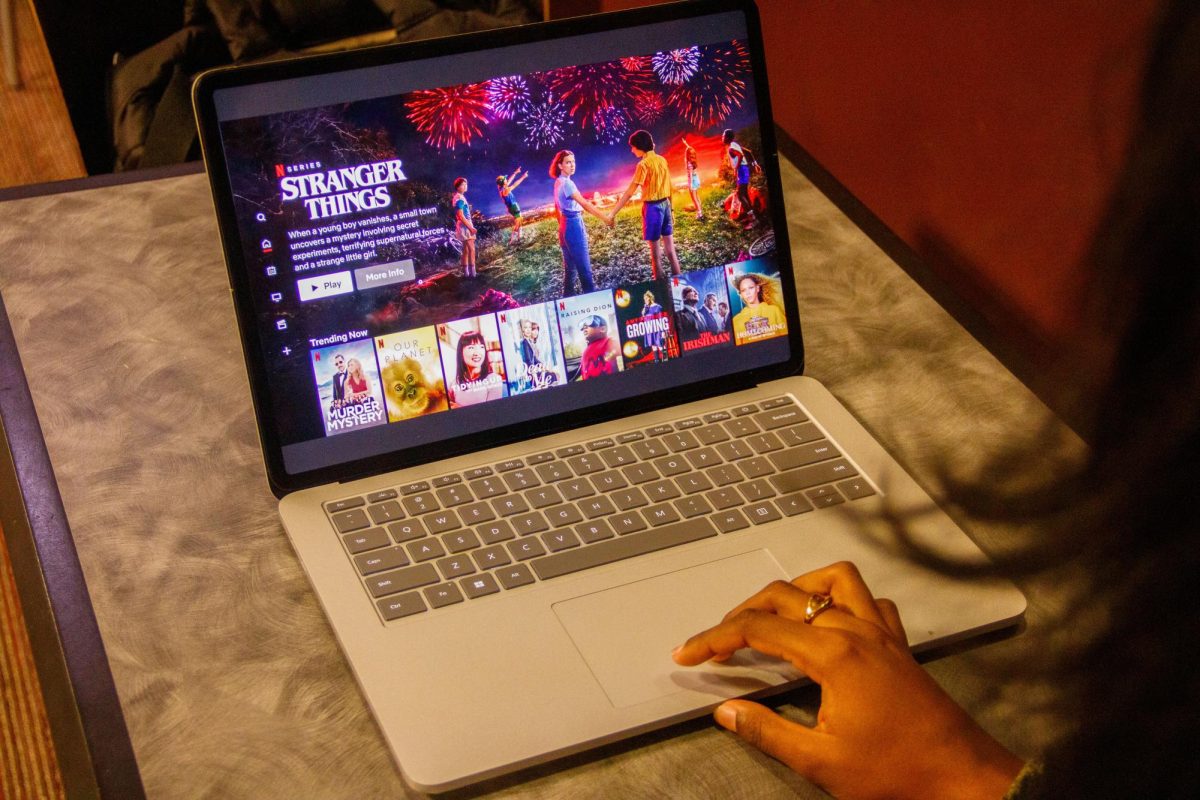
Want to watch some of the newest and hottest shows? Well, maybe you could get a subscription to Amazon Prime Video so you could watch the newest season of “Fallout” or get caught up with “Invincible.” What happens when you decide you want to check out another series on a different service? Maybe you want to watch “Severance” or get back into “Stranger Things.” In that case, you have to consider Apple TV or Netflix.
Through a process known as “price creep,” these subscriptions have gotten increasingly expensive over the years. Every once in a while, a subscription service raises its prices by a dollar or two. In the moment, it only seems like a small adjustment, but then they implement another the next year, and the next one after that. Netflix, for example, used to charge $12.99 a month for their standard plan in 2020; now, in 2026, they charge $17.99 for the same plan.
So what about the free trial that so many of those services offer? Well, you are out of luck with Netflix, but with Amazon Prime Video or Apple TV, sure! Just hand over your card information, binge those series over a weekend and cancel before the charge goes through. We all know it is not always that simple, though. Maybe something comes up, maybe you have to focus on work or maybe you just forget.
All of a sudden, that plan to binge is forgotten, and now, that one-week trial of Apple TV is up. Not only have you lost your free chance, but you have been charged for a month since you provided your card information while signing up.
This is such a common occurrence that even the Federal Trade Commission acknowledges it and attempts to warn Americans against signing up for “free” trials.
Students may instead turn to free services with a premium option, such as YouTube or Spotify. While seemingly a better option, companies like Spotify are notorious for making it difficult to cancel a subscription. Spotify makes use of several deceptive patterns, and they are far from the only ones.
Most notably, Spotify makes use of what is often referred to as a “roach motel,” a system in which it is incredibly easy to sign up for their subscription, but needlessly difficult to get out of it. Simple features, such as being able to cancel a subscription from within the mobile app, are conveniently absent, all in hopes that you can not be bothered to take that extra step it takes to cancel.
Intentionally confusing, these patterns make it all the more likely that you get stuck paying for longer than you want to, which can add to the excessive stressors of college life. Sometimes you might just not feel like mustering the effort to cancel a subscription that fights you when you try to cancel it, so what is another $12.99 when the alternative is the potential of waiting 30 minutes for their support service to respond to your request?
Combine this with one or two subscriptions you genuinely value, and you end up potentially paying upwards of $30 a month. If you are anything like me, that is much more money than you can afford to be losing for nothing. So what option do we have? I can hardly go a full day without non-stop music.
For starters, there are half-decent free alternatives to most popular apps and premium services. Apps like Musi allow users to make use of services like YouTube without the interrupting ads, instead opting to only use banner ads.
Services like Amazon, Apple TV, Spotify, YouTube and Hulu all also offer student discounts. Now, while these can get monthly costs down considerably, it is still worth remembering that eventually that discount will go away and that those companies are hoping that you will forget. Checking your bank account consistently can help keep subscriptions in check.
Finally, maybe you are perfectly happy with the subscriptions you have now, make use of every single one of them and keep an eye on their pricing. There is still potential for improvement. If you have friends who also make use of that same service, especially the ones without student discounts — looking at you, Netflix — then consider getting together and putting money towards a family plan that is cheaper than multiple individual plans.
While not every service may have something that works for you, it never hurts to check. If you have not already, check the pricing history of your subscriptions, make sure you know which subscriptions you do pay for, check for deals and maybe just drop that one service you only use once every other week. Your wallet will thank you.