For the Horticulture Club at Mississippi State University, spring starts in January. The student-run organization plans out every detail of their annual spring plant sale early in the school year, with discussion beginning in the fall semester and the seeds or seedlings arriving as soon as January. The plants are grown in the Dorman Hall greenhouses until the plant sale, which will take place from 8 a.m. to 5 p.m. on April 10-11 in the greenhouses.
The club nurtures its plants in an environment that allows for each of the over 5,000 plants to thrive. With high humidity and moderate temperatures, the greenhouses offer climates far different from the temperatures outside, giving the plants the ideal space to grow.
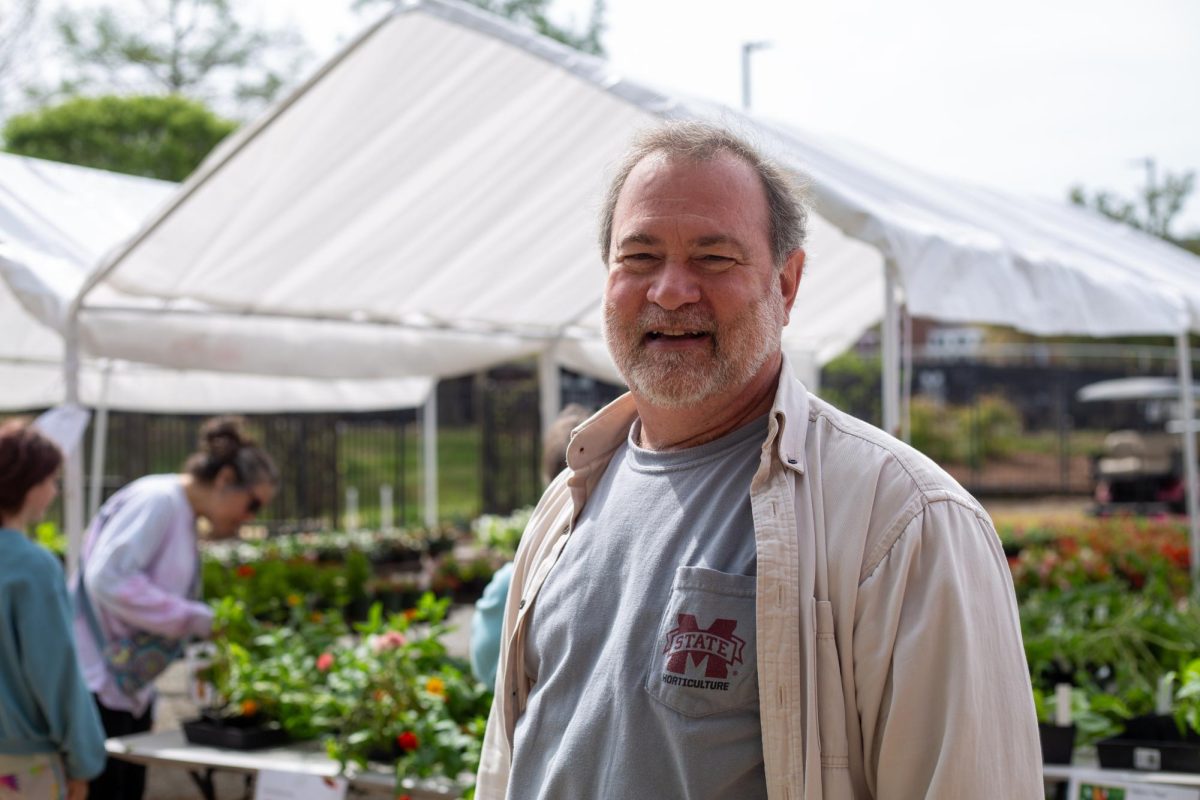
The plants are watered by a team of volunteers coordinated by the greenhouse managers, an executive role that the club’s advisor Richard Harkess, a professor in the Department of Plant and Soil Sciences, says is a challenging and time-consuming job. The demands make the position one of the most important jobs in the club, according to Harkess.
Along with the greenhouse managers, the club offers opportunities for leadership positions that expand beyond just the title. Payton Davis, the president of MSU’s Horticulture Club and a senior environmental economics and sustainability major, is responsible for meeting activities that encourage membership, including bingo and trivia. Both events are big draws for member turnout. Not only that, but she also helps to strengthen the club and its fundraisers for members.
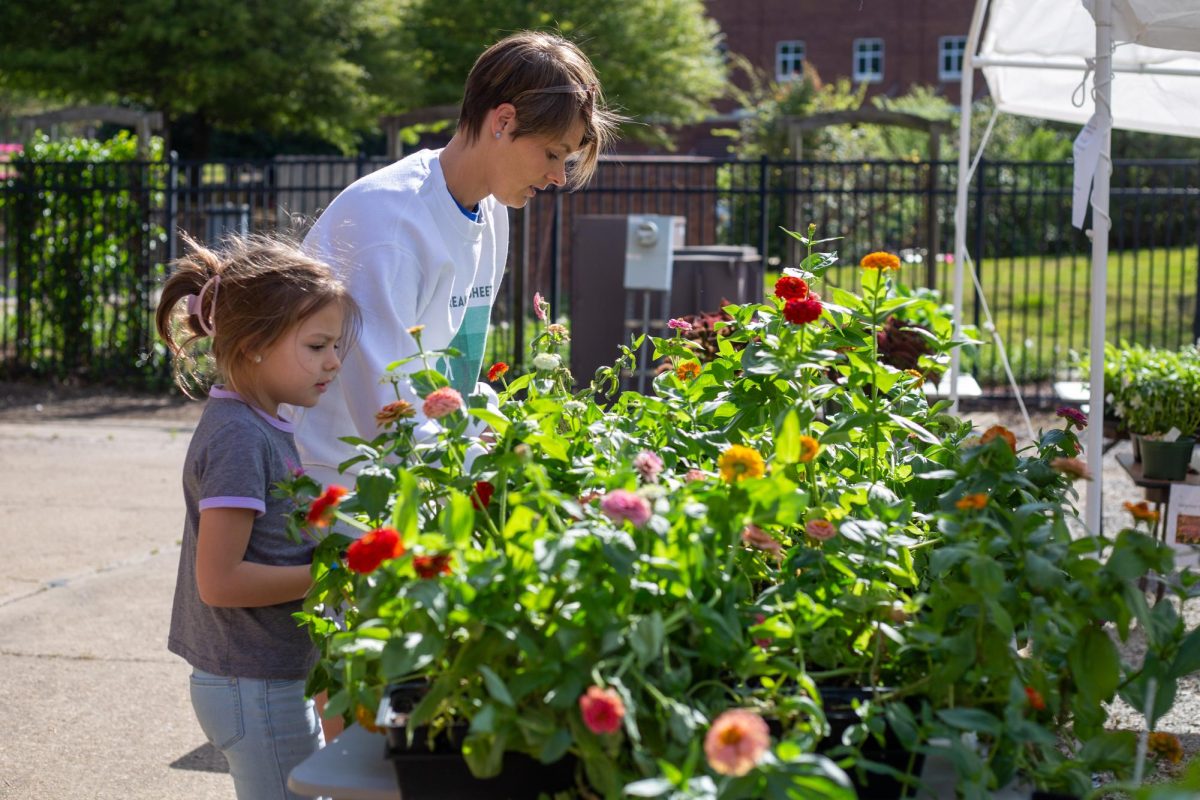
From the poinsettia sale in the winter to the spring plant sale, Davis coordinates with suppliers, transportation and volunteers to ensure that the plants are well cared for and the sale is a success. The success of the sale gives the club the opportunity for field trips in the spring that increase experiential learning and hands-on activities, like visits to the botanical gardens in Birmingham, Alabama, or Memphis, Tennessee.
The plant sale is not only a great fundraising opportunity for the club, but it is also a big draw for members.
“Our plant sales are really big days, and we get our members to help with that,” Davis said. “So it’s always super important that they’re there for big events like that.”
The plant sale not only spikes current membership involvement, with volunteers driving the sale, but it is also a chance to draw in new members to learn about horticulture.
The plant sale, and the club in general, offer the time for students to learn more about not just plants, but vegetables, herbs and flowers. Students can learn about the industry process that occurs for the plant sale to come to fruition. From plant selection, made by members, to scheduling, students have the chance to learn about every aspect of the horticulture industry.
The club presents the chance for people to learn that horticulture is more than just the hands-on growth of plants.
“It’s not just growing plants. It’s all the sales and marketing that go along with it,” Harkess said.
There is a layer of the industry that goes beyond the surface, and business has a strong influence over the field, incorporating a commercial industry for horticulture.
Members drawn to the club get involved not just through the plant sale, but also through the fun activities planned for each meeting. From speakers to crafts to bracket nights, Davis and her executive team work for members to walk away from meetings with the best experiences.
Members Zoe Whatley, a sophomore horticulture major with a concentration in floriculture, and Lena Matthews, also a sophomore horticulture major with a concentration in floral design, were most excited to talk about the crafts they get to do at the meetings. Highlights included painting pots for new plants and creating moss art.
When discussing the plant sale, they said planting day, when all the plants get potted once delivered, was their favorite day. It reminded them of their childhoods, when their interest in nature started, and they found it to be a soothing and grounding task in comparison to the busy days students usually face.
Whatley and Matthews say they attend the club not only for their majors, but for the chance to network and socialize too. They also said they found the club inclusive and welcoming, with many opportunities to craft or listen to interesting speakers.
The Horticulture Club gives students the chance to adjust to college life and experience new things in a safe environment. The club is just another place on campus for students to find their people.