

Although Starkville did not experience much snow or ice over the weekend, other parts of Mississippi were hit by a deadly winter storm that could be the most destructive winter storm since 1994.
In 1994, what started out as a simple cold front on a Wednesday morning in the Mississippi Delta soon turned into one of the worst cold-weather disasters in Mississippi history. Throughout the day of Feb. 9, 1994, temperatures in Greenville dropped from 70 degrees at midnight to 28 degrees by 8 p.m., according to weather records. To make matters worse, this cold front was accompanied by a full day of rain. By that night, the rain had turned into cold, icy sleet.
The next morning, utilities across Mississippi’s northwest counties reported outages caused by broken limbs and entire trees coming down on power lines due to the ice. Temperatures were reported to be in the mid-twenties throughout the entire day for regions across the Delta.
The worst of it came that Thursday night, as freezing rain continued on into Friday morning. According to the National Weather Service in Jackson, 3-6 inches of ice were reported in the hardest hit areas. Workers had reported that steel transmission towers were brought down due to the amount of ice that built up on them (an estimated 39 tons).
For those most impacted by the storm, temperatures would not reach over 40 degrees until Feb. 12. By then, the damage had already been done. In north Mississippi, 3.7 million acres of commercial forest were damaged, resulting in estimated losses of $1.3 billion. 25% of Mississippi’s pecan crop was destroyed, resulting in a yearly loss of $5.5 million for farmers. Power outages affected around 750,000 customers in Mississippi alone, and some people were without electricity for a whole month. Over 8,000 utility poles were destroyed, leaving 4,700 miles of line down.
Frank Self, the mayor of Greenville at the time, made a statement recorded by the National Weather Service that said his town looked like a war zone.
“I hate to say this, but remember these early films of atomic bomb destruction? That’s what it reminded me of,” Self said in 1994.
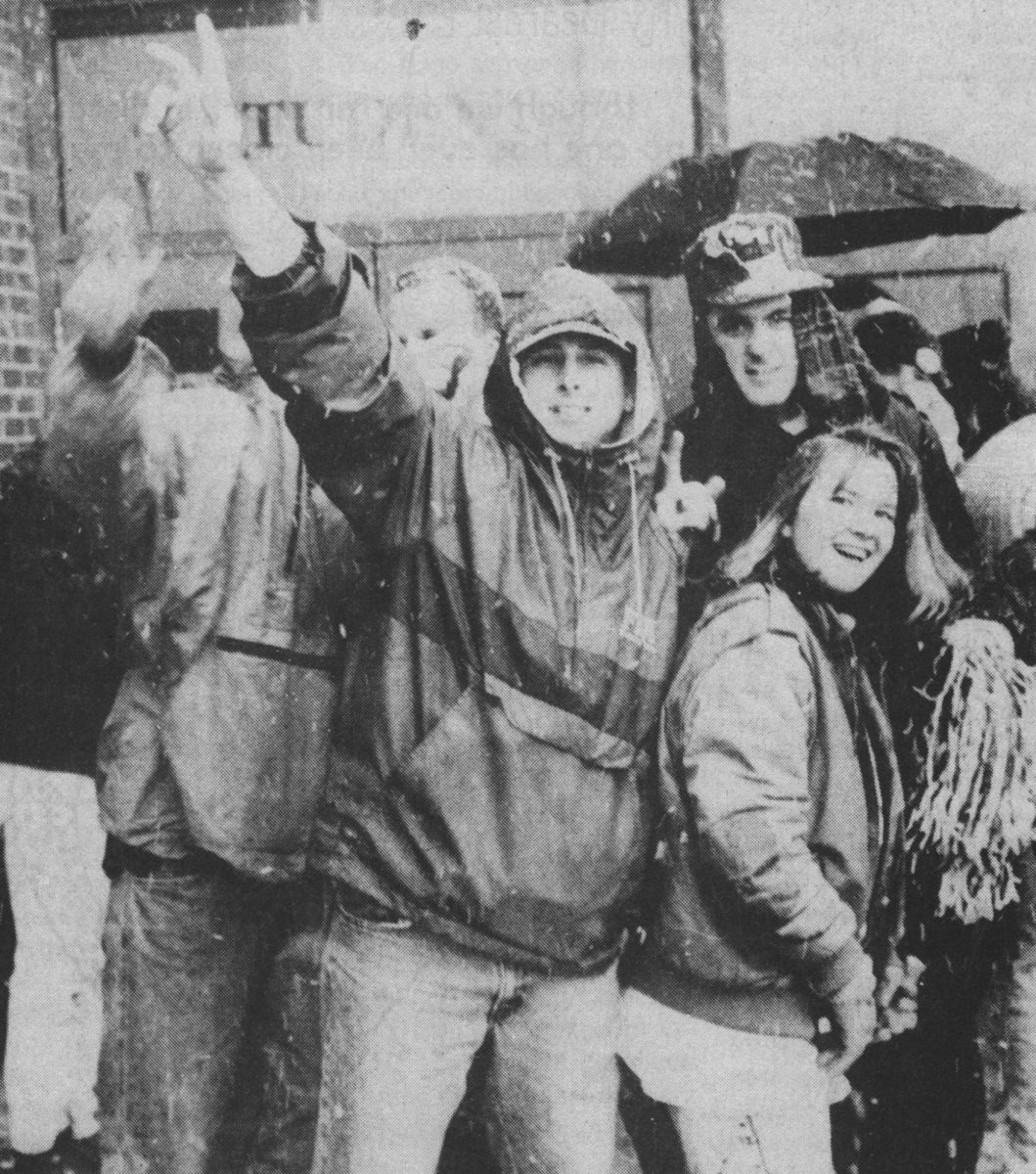
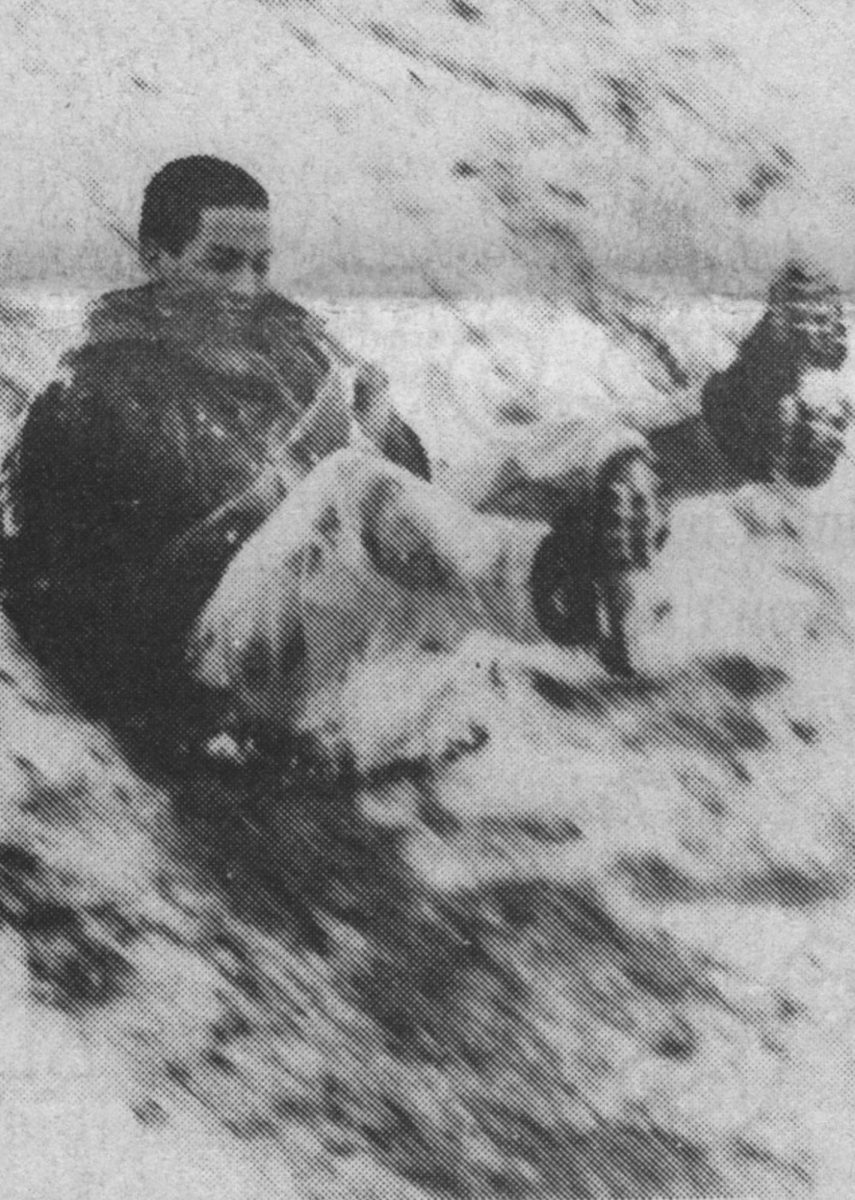
However, in Starkville, many made the most of their snow day. A Reflector article from 1994 recounts students having fun in the snow, sledding and having snowball fights. One student even said they put a snowball in their refrigerator.
Bart Neal, a graduate student working towards his MBA at the time, recalled having fun in the snow with his friends.
“We rode around campus and looked at all the snow, and then we came back and had a snowball fight at the apartment with my neighbors and roommate,” Neal said.

For the present ice storm, Mississippi State University issued multiple warnings and safety tips to students via mass email and Instagram posts. These tips include avoiding travel on roads, staying indoors, stockpiling food, charging devices in case of an outage, avoiding parking under trees and keeping a flashlight close by. MSU also conducted remote operations on Jan. 26. Across the state, Gov. Tate Reeves said in a press conference that over 20% of homes nationwide with power outages are in Mississippi.