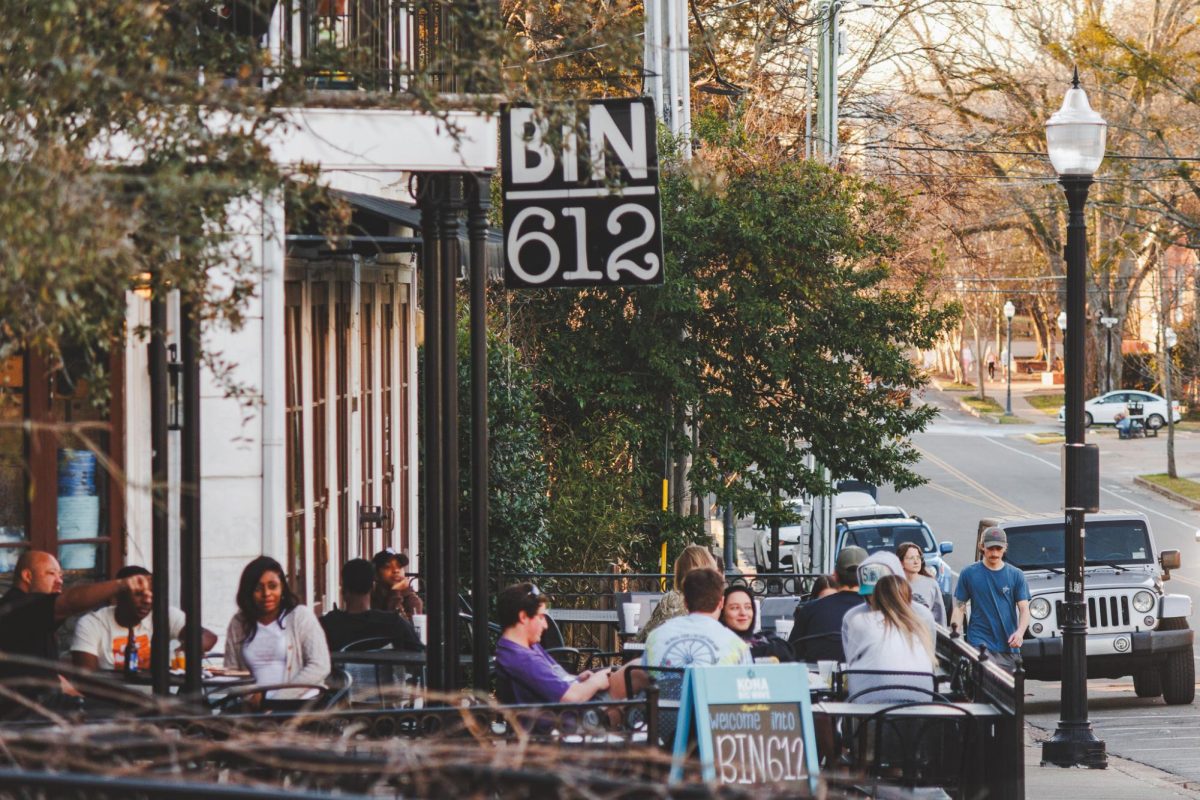


There is something about fall on campus that feels almost cinematic. The air turns crisp, football games fill the weekends and students trade in their T-shirts for fall outfits they pinned on their Pinterest boards. Even walking to class feels different when the sidewalks are covered in leaves. Coffee shops switch to pumpkin spice everything, and for a few golden weeks, campus feels like a movie set.
Fall is the season of possibility. It is the start of the school year, with new classes, fresh notebooks and the chance to reinvent yourself. It feels more like a start to a new year than New Year’s itself. The energy is high, midterms are still on the horizon but far enough away to not stress just yet and even late-night study sessions feel more bearable when you are wrapped in a blanket, sipping something warm.
Then comes winter.
For many students, the same campus that felt magical in October feels cold and isolating by December. Days feel shorter, yet longer, the sky turns gray and suddenly that “cozy hoodie” feels more like armor against the bitter wind on the way to an 8 a.m. class. What felt cinematic in fall, watching the leaves float to the ground, now feels like survival. Nothing says hello to winter more than getting slapped in the face by wind when you have a long walk to somewhere as dreadful as Allen Hall or Hand Chemical Lab from your apartment.
This shift is not just about the weather—it is psychological. Seasonal Affective Disorder (SAD), more commonly called “seasonal depression,” impacts many people, especially in late fall and winter, according to the Cleveland Clinic. Students already balancing heavy course loads and financial stress now face the added challenge of a mood that just does not match their workload. Even simple things, like getting out of bed or walking to class, can feel heavier.
It is jarring because fall and winter sit back-to-back, yet they could not feel more different. Fall is warm light and fresh beginnings. Winter, for many, is cold and gloomy, with the weight of finals approaching. One season invites you outside to enjoy the change of pace; the other pushes you inward, physically and emotionally.
But maybe there is something to learn from the contrast. Fall reminds us to savor small joys — pumpkin bread, sunsets over campus when the temperature is bearable, the comfort of shared blankets, football games and fall TV shows. Winter challenges us to build resilience and lean into community when motivation runs low. Where fall feels like inspiration, winter teaches discipline.
For students, the challenge is figuring out how to hold onto the energy of fall once winter sets in. The trick is not in pretending the gray skies do not exist, but in creating little rituals that make the season bearable. That might look like turning a study session into a coffee break with friends, chasing down the few hours of sunlight between classes or reframing a dreary day as the perfect excuse for a cozy movie night.
Fall and winter feel like opposites, but one makes the other stand out. Without the weight of winter, maybe we would not appreciate the fleeting magic of fall. And without the joy of fall, maybe winter would feel even heavier.
On a college campus, both seasons shape us—not just in how we study or work, but in how we learn to live through change.